
Currently Empty: $0.00

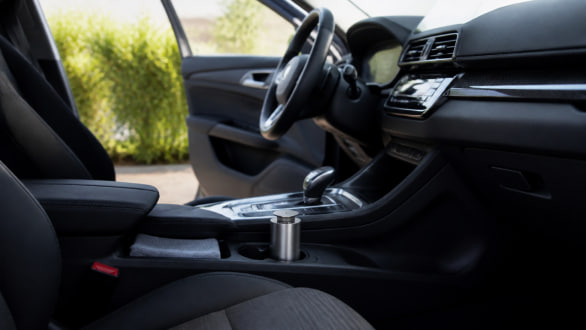
A clean, comfortable cabin is less about adding the strongest fragrance and more about removing the things that create unwanted odors. Food packaging, damp fabrics, dusty vents and neglected floor mats can all build up gradually. A simple routine usually works better than repeatedly masking the problem.
Remove the source first
Empty door pockets, cup holders and the space under the seats. Take out takeaway packaging, gym clothing, wet umbrellas and anything that can hold moisture or odor. If a smell returns quickly after fragrance is added, that is a sign to look for the source rather than increase the scent level.
Vacuum the places that collect debris
Vacuum seats, carpet, floor mats and the gaps between the seat and center console. Use a soft brush attachment around vents and delicate trim. Pet hair and crumbs can settle in areas that are easy to miss, so move the seats through their full adjustment range while the vehicle is parked and switched off.
Clean surfaces with the right product
Use cleaners intended for the specific material: fabric, leather, synthetic leather, plastic or glass. Test any new product in a small hidden area first. Avoid soaking electronics, switches or perforated surfaces. More cleaner is not necessarily more effective; residue can attract dust and create its own smell.
Control moisture
Moisture is one of the most common reasons a cabin smells stale. Remove wet mats and allow them to dry completely. Check for damp carpets, blocked drainage or water leaks. Run ventilation as recommended by the vehicle manufacturer and avoid leaving wet items in a closed car. If you suspect mold or a persistent leak, seek professional inspection rather than relying on fragrance.
Do not forget the ventilation system
A dirty cabin air filter can contribute to dusty or stale airflow. Check the replacement interval in the owner’s manual and consider driving conditions such as heavy traffic, dust or pollen. If an odor appears only when the fan or air conditioning runs, the ventilation system may need attention from a qualified technician.
Use fragrance as a finishing layer
Once the cabin is clean and dry, introduce fragrance lightly. Choose a scent you can tolerate for longer periods, not just one that smells impressive for a few seconds. An adjustable diffuser makes it easier to start low. Ventilate the car regularly and reduce or stop fragrance use when carrying sensitive passengers, children or pets.
Build a routine that is easy to keep
Take rubbish out at the end of the day, shake out mats weekly and do a more thorough vacuum and wipe-down monthly or as needed. Clean spills promptly. A small amount of regular care prevents the cycle of deep cleaning followed by rapid odor return.
Frequently Asked Questions
Why does my car smell bad again after I add fragrance?
Fragrance may be covering an unresolved source such as damp fabric, food residue, smoke or a ventilation issue. Remove the source and clean the affected area first.
How often should I replace the cabin air filter?
Follow the vehicle manufacturer’s interval and adjust for local conditions. Dusty, polluted or high-pollen environments may require more frequent inspection.
Can fragrance clean the air in my car?
Fragrance changes how the cabin smells; it should not be treated as a substitute for ventilation, cleaning or a properly maintained filtration system.
For a balanced finishing touch, explore TUOGA aroma diffusers with adjustable settings suited to everyday driving.
Tags: Trends

This is exactly what i was looking for, thank you so much for these tutorials
It would be great to try this theme for my businesses
What a nice article. It keeps me reading more and more!